

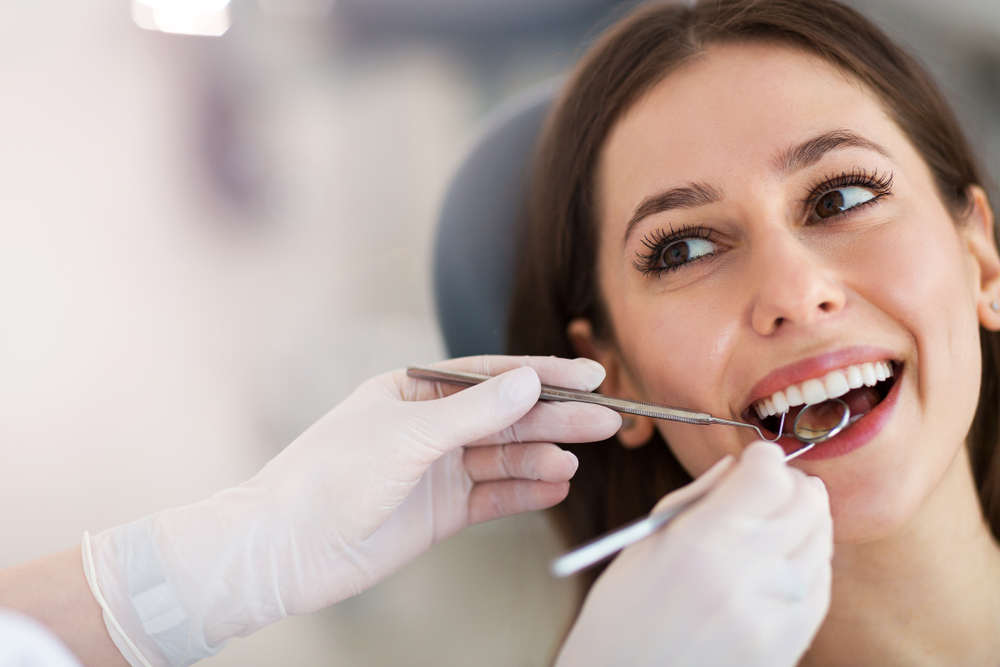
A dentist is an important part of maintaining good oral health at every stage of life. Healthy teeth and gums contribute to comfortable eating, clear speech, and confidence, but keeping them in good condition requires more than occasional brushing. Regular dental examinations and professional care can help identify problems early and provide practical guidance for maintaining a healthier mouth.
Whether someone needs a routine checkup, treatment for tooth decay, gum care, or advice about improving their smile, a dentist can provide personalized support. Understanding the importance of professional dental care can encourage people to take better care of their oral health before problems become serious.
The Role of a Dentist in Oral Health
A dentist examines the teeth, gums, and surrounding areas of the mouth to identify existing or developing problems. During a routine appointment, they may check for cavities, gum inflammation, damaged teeth, signs of infection, and other oral health concerns.
Dental professionals also focus heavily on prevention. A routine examination can reveal issues that may not yet cause discomfort. Treating these concerns early may help prevent more extensive procedures in the future.
A dentist can also explain proper brushing, flossing, dietary choices, and other habits that support healthy teeth. Personalized advice can be especially helpful for people who experience frequent cavities, sensitive teeth, gum problems, or other recurring concerns.
Benefits of Regular Dental Checkups
Regular dental visits can help maintain oral health even when there are no obvious symptoms. Cavities and gum disease can sometimes develop without causing significant pain in their early stages. Professional examinations give a dentist an opportunity to detect such conditions before they progress.
Dental cleanings are another important part of preventive care. Plaque can accumulate on the teeth, and when it hardens into tartar, normal brushing may not be enough to remove it. Professional cleaning helps remove these deposits and supports healthier gums.
Routine appointments also allow patients to discuss changes in their oral health. Tooth sensitivity, persistent bad breath, bleeding gums, or discomfort while chewing may indicate an underlying issue that deserves attention.
Common Dental Treatments
Dentists provide a variety of treatments depending on the condition of a patient’s teeth and gums. Tooth fillings are commonly used to repair cavities and restore damaged areas of teeth. If decay becomes advanced, more extensive treatment may be required.
Root canal treatment can help save a tooth affected by infection or severe internal damage. A dental crown may then be recommended to strengthen and protect the remaining tooth structure.
When teeth are missing, restorative options such as bridges, dentures, and dental implants may help restore chewing function and improve appearance. The appropriate treatment depends on the patient’s oral health, preferences, and individual circumstances.
Cosmetic dentistry can address concerns related to the appearance of teeth. Professional teeth whitening, veneers, and other cosmetic procedures may help create a brighter or more uniform smile.
Maintaining Oral Hygiene Between Appointments
Good dental health depends on daily habits as well as professional treatment. Brushing twice a day with fluoride toothpaste helps remove plaque and protect enamel. Cleaning between teeth is also important because food particles and plaque can remain in areas a toothbrush cannot easily reach.
Eating a balanced diet can further support oral health. Reducing frequent consumption of sugary foods and drinks may lower the risk of tooth decay. Drinking water regularly can also help rinse away food particles and maintain a healthier oral environment.
Replacing a toothbrush or brush head when it becomes worn is another simple way to maintain effective cleaning. People should also avoid habits that can damage teeth, such as chewing hard objects or using teeth to open packages.
How to Find a Suitable Dentist
Choosing a dentist should involve more than simply selecting the nearest practice. Consider professional experience, available services, communication, appointment convenience, and the overall patient experience.
A reliable dental professional should explain treatment recommendations in a clear and understandable manner. Patients should feel comfortable asking questions and discussing concerns about procedures, costs, recovery, and preventive care.
For families, finding a dentist who can accommodate different age groups may make maintaining regular appointments easier. Children may require additional guidance about brushing and developing healthy dental habits, while older adults may have different restorative or gum care needs.
Conclusion
Visiting a dentist regularly is an important investment in long-term oral health. Preventive examinations, professional cleanings, timely treatment, and consistent home care can work together to keep teeth and gums healthy. By making dental visits part of a normal healthcare routine, individuals can address problems earlier, protect their natural teeth, and maintain a confident, healthy smile.
