

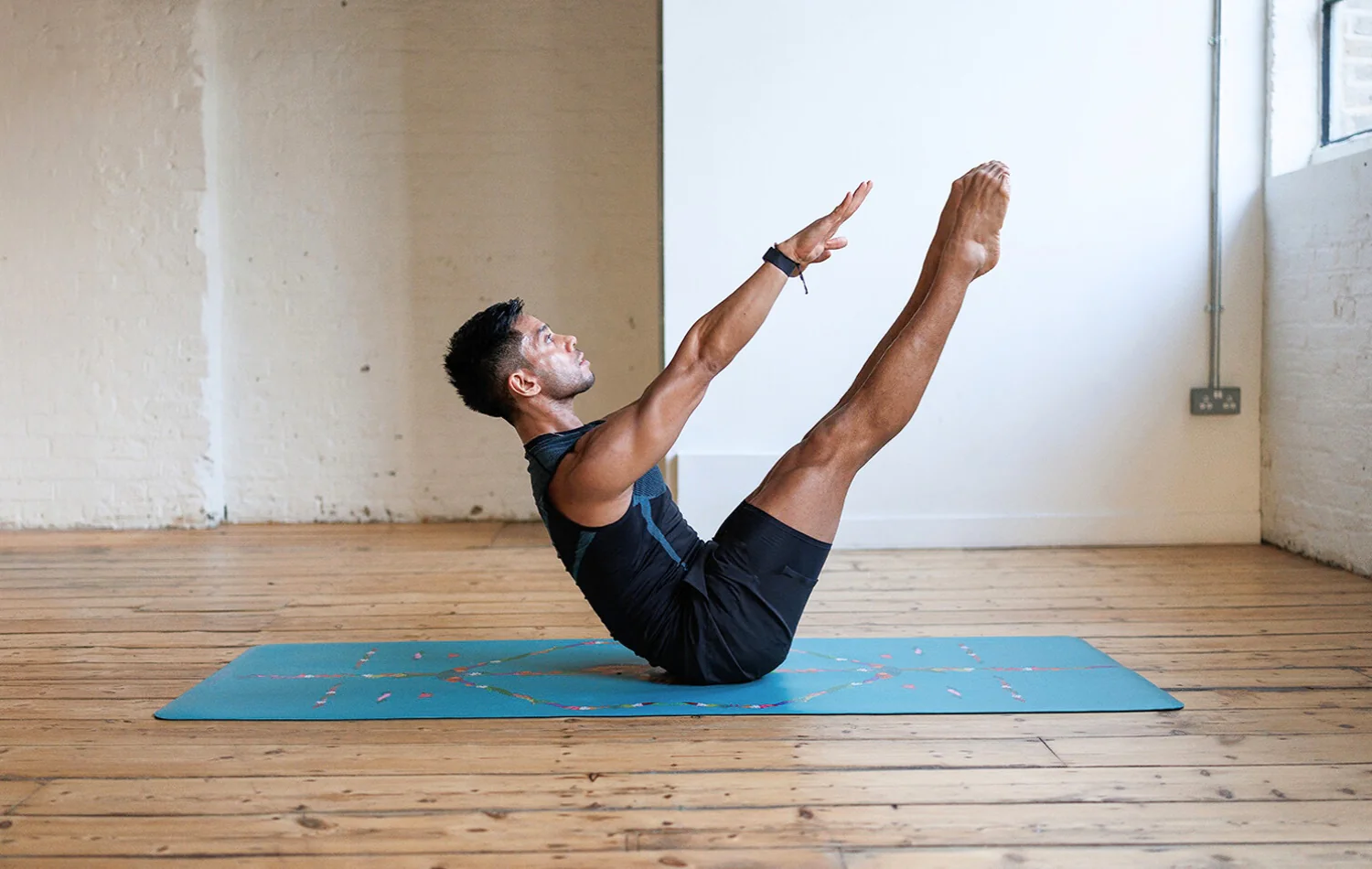
Yoga is a practice that combines physical movement, controlled breathing, balance, and mindful attention. Although many people begin yoga to improve flexibility, its benefits can extend to strength, mobility, relaxation, and overall well-being. From gentle stretching to more physically demanding sequences, yoga can be adapted to suit different ages, fitness levels, and personal goals.
Unlike some forms of exercise that focus primarily on intensity, yoga encourages people to pay attention to how their body moves and feels. With regular practice and proper technique, it can become a useful part of a balanced and active lifestyle.
What Is Yoga?
Yoga is a mind-body practice involving physical postures, breathing techniques, and focused awareness. Different yoga styles emphasize different aspects of the practice. Some classes are slow and gentle, while others involve continuous movement and challenging poses.
Common yoga poses may include standing positions, seated stretches, balance postures, twists, and movements that engage the core and other muscle groups. Beginners do not need to perform advanced poses immediately. Learning basic alignment and gradually developing mobility is often more beneficial than trying to achieve difficult positions quickly.
Benefits of Regular Yoga Practice
One of the best-known benefits of yoga is improved flexibility. Regular stretching can help people develop a more comfortable range of motion and may make everyday movements feel easier.
Yoga can also build strength. Many poses require the body to support its own weight, engaging muscles in the legs, arms, shoulders, back, and core. Holding a posture with proper alignment can challenge muscles without requiring traditional gym equipment.
Balance is another important part of yoga. Standing poses and controlled transitions can encourage better body awareness and stability. This can be particularly useful for people who want to improve coordination and movement control.
Yoga may also support relaxation. Slow breathing and mindful movement can provide a break from a busy routine and encourage a calmer approach to physical activity.
Different Types of Yoga
There are many styles of yoga, so beginners can choose an approach that matches their preferences and fitness level. Hatha yoga often focuses on individual postures, breathing, and controlled movement, making it a popular option for learning foundational techniques.
Vinyasa yoga generally connects movement with breathing in a flowing sequence. It can provide a more active workout while still incorporating mindfulness and flexibility.
Restorative yoga uses supported, comfortable positions and emphasizes relaxation. It may appeal to people who want a gentle practice focused on rest and body awareness.
Other styles may have their own pacing, techniques, and traditions. Trying different classes can help individuals discover which approach feels most suitable.
Yoga for Beginners
Starting yoga does not require advanced flexibility. In fact, beginners can benefit from practicing simple movements and learning correct positioning before progressing to more challenging poses.
A comfortable space, suitable clothing, and a yoga mat can make practice easier. Beginners should focus on steady breathing and controlled movement rather than comparing their abilities with other people.
Using modifications is completely normal. Yoga instructors can often provide simpler versions of poses or suggest supportive equipment such as blocks and straps. These tools can help people practice safely while developing strength and mobility.
Yoga and Mental Well-Being
Yoga is often associated with mindfulness because it encourages practitioners to focus on breathing, movement, and present-moment awareness. This can provide a useful opportunity to step away from distractions.
Slow breathing exercises may help create a sense of relaxation, while a focused yoga session can encourage people to become more aware of tension and physical sensations. For many individuals, this mindful element is just as valuable as the physical exercise.
Yoga should not be viewed as a replacement for professional medical or mental health treatment, but it can be incorporated into a broader wellness routine when appropriate.
Making Yoga Part of Your Routine
Consistency is generally more useful than occasional long sessions. Even a short yoga practice can provide an opportunity to stretch, move, and focus on breathing.
Some people prefer practicing in the morning to prepare for the day, while others enjoy yoga in the evening as a way to wind down. The best schedule is one that fits naturally into an individual’s lifestyle.
Combining yoga with walking, strength training, swimming, or other physical activities can create a well-rounded fitness routine.
Practicing Yoga Safely
Yoga should feel challenging without causing sharp or unusual pain. Beginners should move gradually and avoid forcing the body into positions it is not ready to perform.
Proper instruction can be especially helpful when learning unfamiliar poses. People with existing injuries, significant mobility limitations, or specific health concerns should seek appropriate professional guidance before beginning a new exercise program.
Listening to the body and allowing sufficient recovery can help make yoga a sustainable practice.
Conclusion
Yoga offers a flexible approach to physical activity that can support flexibility, strength, balance, mobility, and relaxation. Its combination of movement and mindful breathing makes it different from many traditional workouts and allows people to adapt the practice to their individual needs.
Whether someone is completely new to exercise or already physically active, yoga can provide a practical way to improve body awareness and create time for focused movement. With patience, consistency, and proper technique, yoga can become a valuable part of a healthy lifestyle.
