

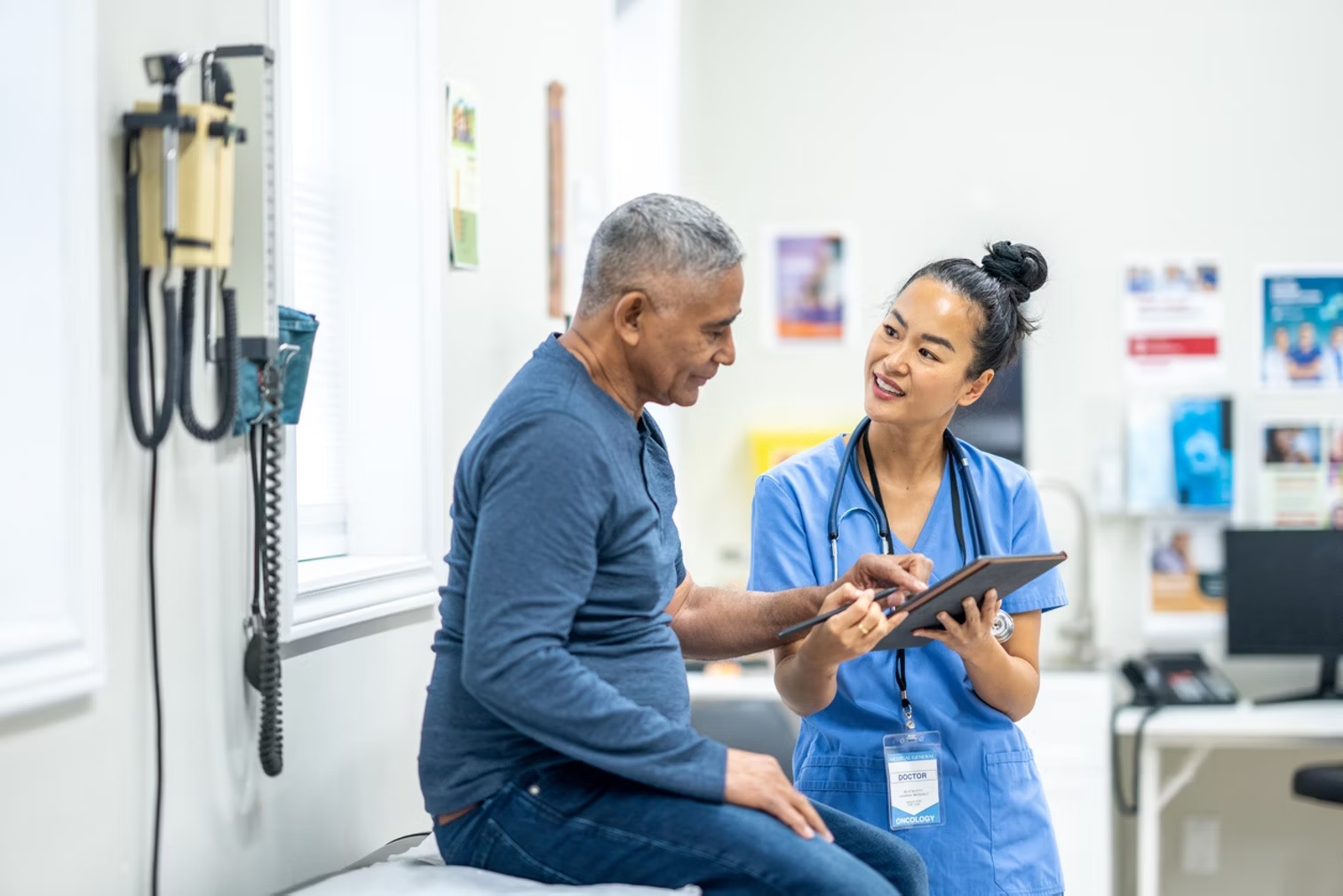
Clinics are a cornerstone of healthcare, providing accessible medical services for a wide range of health concerns. Unlike large hospitals, clinics often focus on outpatient care, preventive medicine, and specialized treatments. The modern clinic is more than just a place for diagnosis—it integrates patient education, wellness programs, and advanced technology to offer holistic healthcare solutions.
Understanding the Role of Clinics
Clinics play a critical role in the healthcare ecosystem by offering timely medical attention, routine checkups, preventive care, and specialized services. They bridge the gap between home care and hospital care, ensuring patients receive continuous support without requiring hospitalization. Clinics serve diverse populations, from children needing vaccinations to adults managing chronic conditions.
Key Functions of Clinics
- Primary Healthcare: Routine checkups, health screenings, vaccinations, and treatment of common illnesses.
- Specialized Care: Clinics often focus on specific fields like dermatology, cardiology, dental care, or physiotherapy.
- Preventive Medicine: Early detection of diseases through screenings, lab tests, and lifestyle guidance.
- Patient Education: Clinics provide counseling on diet, exercise, medication adherence, and general wellness.
Types of Clinics
Clinics vary widely based on the services they offer, the patient population they serve, and their operational model. Understanding these differences can help patients make informed decisions about their healthcare.
1. Primary Care Clinics
Primary care clinics are often the first point of contact for patients seeking healthcare. They provide general medical consultations, routine checkups, and management of common illnesses. Services typically include:
- Physical examinations and health assessments
- Immunizations and vaccinations
- Management of chronic conditions like diabetes, hypertension, and asthma
- Referral services to specialists when necessary
2. Specialty Clinics
Specialty clinics focus on a specific branch of medicine, offering expert care for complex or chronic conditions. Examples include:
- Dermatology Clinics: Treatment for skin disorders, cosmetic procedures, and skincare guidance.
- Cardiology Clinics: Management of heart diseases, blood pressure, and preventive cardiac care.
- Orthopedic Clinics: Care for bone, joint, and muscular injuries or disorders.
- Dental Clinics: Routine dental checkups, orthodontics, cosmetic dentistry, and oral surgery.
3. Urgent Care Clinics
Urgent care clinics provide immediate medical attention for non-life-threatening emergencies. They are ideal for injuries, minor fractures, infections, or sudden illnesses. These clinics offer extended hours and often operate on a walk-in basis, making healthcare more accessible.
4. Specialized Wellness Clinics
Wellness clinics focus on preventive healthcare, holistic treatments, and lifestyle improvement. Services include:
- Nutritional counseling and diet planning
- Stress management programs and mental health counseling
- Physiotherapy and rehabilitation services
- Integrative therapies such as acupuncture or chiropractic care
Services Offered in Modern Clinics
Modern clinics have evolved to provide comprehensive care beyond basic consultations. Their services combine medical expertise with advanced technology and patient-centric approaches.
Diagnostic Services
Clinics often house diagnostic tools like blood tests, X-rays, ultrasound, and ECGs to provide accurate and timely results. Advanced diagnostic equipment allows early detection of health issues, enabling preventive measures.
Outpatient Procedures
Many clinics perform minor surgical procedures, wound care, vaccinations, and treatments that do not require overnight hospitalization. This approach reduces costs and recovery time while maintaining high-quality care standards.
Telemedicine Services
With advancements in technology, clinics now offer virtual consultations, remote monitoring, and follow-up appointments. Telemedicine ensures patients can access healthcare from home, particularly useful for chronic disease management and routine follow-ups.
Patient Education and Counseling
Education is a vital service in modern clinics. Health professionals provide guidance on:
- Lifestyle modification and diet planning
- Medication adherence and managing side effects
- Preventive measures for chronic diseases
- Stress and mental health management
Choosing the Right Clinic
Selecting a clinic requires careful consideration to ensure quality, accessibility, and patient satisfaction. Factors to consider include:
- Reputation and Credentials: Ensure the clinic is staffed by licensed, experienced medical professionals.
- Range of Services: Choose a clinic that meets your specific healthcare needs.
- Technology and Infrastructure: Clinics equipped with modern diagnostic and treatment facilities provide more reliable care.
- Patient-Centric Approach: Friendly staff, clear communication, and personalized care improve the overall patient experience.
- Insurance and Payment Options: Verify if the clinic accepts your insurance and offers transparent billing practices.
The Role of Technology in Clinics
Technology has transformed the way clinics operate, improving efficiency, accuracy, and patient engagement. Key technological advancements include:
- Electronic Health Records (EHR): Streamlines patient data management, ensuring accurate records and better coordination of care.
- Telehealth Platforms: Enables remote consultations, prescription management, and continuous monitoring.
- Diagnostic Tools: Modern imaging, lab equipment, and wearable devices support precise diagnostics and treatment planning.
- Appointment and Queue Management Systems: Enhance operational efficiency and reduce patient waiting times.
Importance of Preventive Care in Clinics
Preventive care is a cornerstone of modern clinics. By focusing on early detection and lifestyle management, clinics help patients avoid severe illnesses and reduce healthcare costs. Regular screenings for blood pressure, cholesterol, diabetes, and cancer can prevent long-term complications. Clinics also provide vaccination programs, nutritional counseling, and mental health support as part of preventive care initiatives.
Patient-Centered Care
Patient-centered care emphasizes empathy, active listening, and personalized treatment. Modern clinics prioritize:
- Involving patients in treatment decisions
- Educating patients about their conditions
- Offering emotional support and counseling
- Ensuring follow-up and continuity of care
Such approaches improve patient outcomes, satisfaction, and overall trust in healthcare providers.
Clinics and Community Health
Clinics play a vital role in promoting community health by organizing health camps, awareness programs, and vaccination drives. They provide accessible healthcare services to underserved populations and contribute to public health initiatives, such as disease prevention campaigns and wellness workshops.
FAQs About Clinics
1. How often should I visit a clinic for general health checkups?
Adults should schedule annual checkups, while children and seniors may require more frequent visits based on health needs.
2. What is the difference between a clinic and a hospital?
Clinics primarily provide outpatient care, preventive services, and minor procedures, while hospitals offer extensive inpatient care, surgeries, and emergency services.
3. Are urgent care clinics suitable for serious medical emergencies?
No. Urgent care clinics handle non-life-threatening conditions. Life-threatening emergencies should be addressed at hospitals or emergency departments.
4. How do telemedicine services work in clinics?
Telemedicine allows patients to consult doctors virtually via video calls, chat, or phone, providing convenience and continuity of care without visiting the clinic physically.
5. Can clinics handle chronic disease management?
Yes. Many clinics specialize in managing chronic conditions such as diabetes, hypertension, and asthma through routine monitoring, lifestyle counseling, and medication management.
6. Are wellness clinics effective for mental health?
Wellness clinics that offer counseling, therapy, and stress management programs can support mental health, though severe psychiatric conditions may require specialized mental health centers.
7. What should I consider when choosing a clinic for my family?
Consider credentials, range of services, infrastructure, technology, patient experience, and accessibility to ensure comprehensive healthcare for all family members.

Comments are closed.