

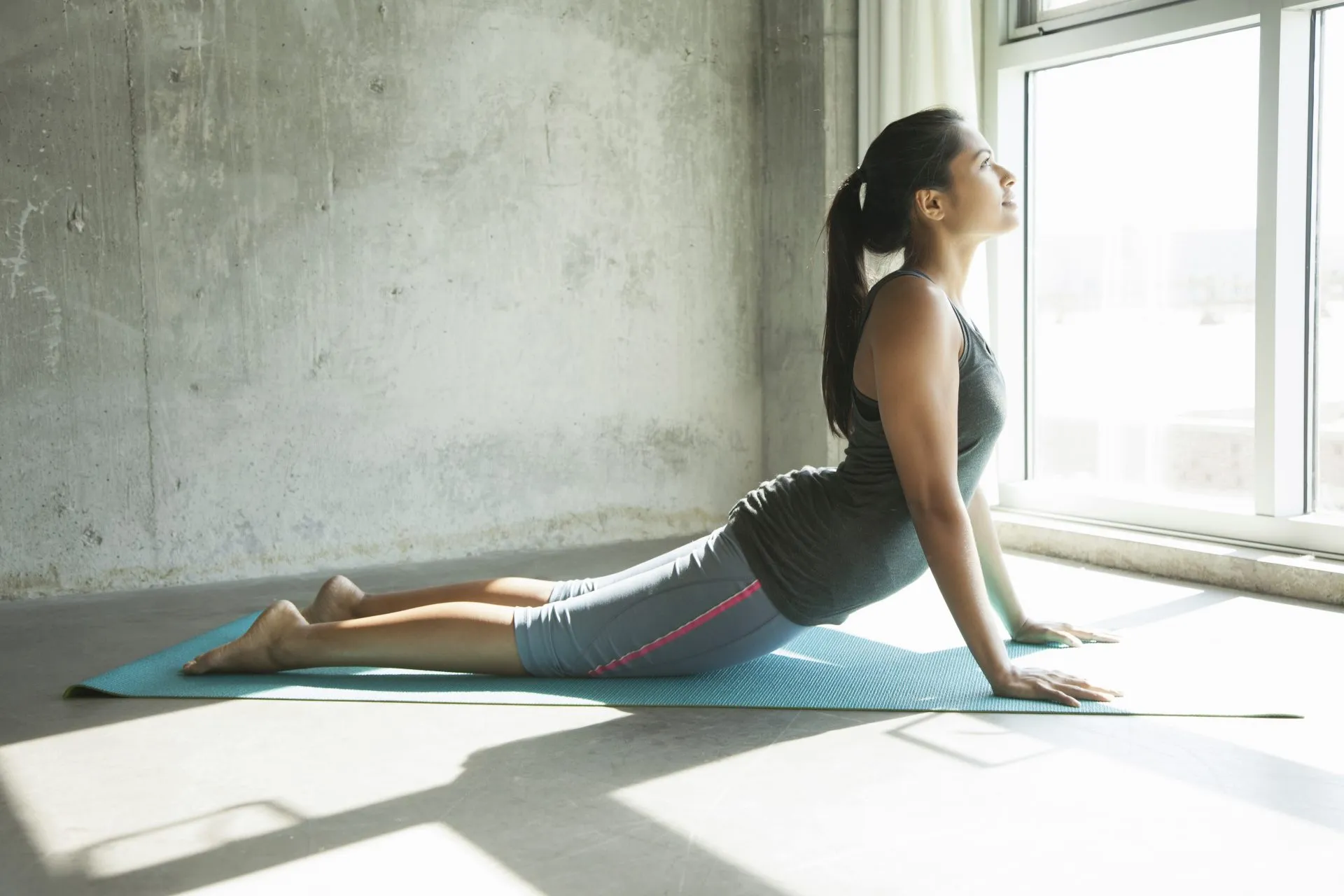
A sequence performed in a heated studio can feel significantly harder than the same movements at room temperature. During hot yoga, a temperature around 37°C adds a thermoregulatory demand while participants balance, hold positions, transition and control breathing.
The heat does not simply make muscles feel warmer. It changes cardiovascular strain, fluid loss, grip and the amount of effort required to maintain concentration throughout the class.
The Body Must Manage Exercise and Heat
Movement produces heat internally. In a heated room, the body has less opportunity to release that heat to the surrounding air.
Blood flow increases towards the skin to support cooling, while the working muscles still require circulation. This can make a moderate sequence feel more demanding than expected.
Participants should treat environmental heat as part of the training load.
Heart Rate May Rise at the Same Movement Level
A posture or flow may remain mechanically unchanged while heart rate increases because the body is trying to regulate temperature.
This means a higher reading does not necessarily indicate greater muscular work. Part of the cardiovascular response comes from the environment.
Participants should avoid chasing heart rate as though the class were a conventional cardio session.
Sweating Does Not Measure Fitness or Quality
Sweat helps the body manage temperature. The amount varies according to genetics, acclimatisation, clothing, hydration and room conditions.
A person who sweats heavily has not automatically worked harder. A participant who sweats less has not necessarily performed poorly.
Sweat is a cooling response, not a score for the class.
Humidity Changes How Heat Feels
Temperature alone does not describe the studio environment. Higher humidity can make sweat evaporate less efficiently, increasing perceived heat.
Two classes at the same temperature may therefore feel different. Ventilation, class capacity and outdoor conditions can also influence the room.
Singapore’s naturally humid climate makes the transition into a heated studio particularly relevant.
Long Holds Accumulate Heat
Static postures may not look cardiovascularly intense, but they require sustained muscular effort. In the heat, breathing and heart rate can continue rising during a long hold.
Participants may notice increasing hand pressure, leg shaking or loss of concentration. These signals can appear before a posture visibly collapses.
Reducing range or leaving the pose early can preserve control.
Transitions Can Feel More Difficult
Moving from the floor to standing may produce light-headedness in some participants, especially when heat and fluid loss are present.
Transitions should be deliberate. The participant can pause before standing fully and avoid rushing to match the next posture.
Persistent dizziness, faintness or unusual symptoms are reasons to stop and seek appropriate assistance.
Warmth Can Mask Fatigue
Heat may make the body feel loose and ready for greater range. At the same time, muscular endurance and hydration can be declining.
Participants may interpret temporary ease of movement as evidence that they should push deeper. The range should still be supported by active control.
The heat changes sensation, but it does not remove the need for progression.
Breathing Becomes a Pacing Tool
Controlled breathing can help participants monitor effort. If breathing becomes rushed or difficult to organise, the current range or pace may be too demanding.
The participant should not force a specific breathing pattern while feeling unwell. The broader goal is to maintain a manageable rhythm.
A slower transition or brief rest can restore control.
Acclimatisation Influences Perception
Regular participants may become more comfortable in the heat. They learn how to pace, hydrate and interpret early fatigue.
This does not make them immune to overheating or dehydration. Sleep, illness, alcohol and work stress can change readiness from one day to the next.
Experience should improve judgement rather than encourage automatic maximum effort.
Position in the Room May Matter
Studios can contain warmer and cooler zones depending on heaters, ventilation and door placement. A position near a heat source may feel noticeably different.
New participants may prefer an area that allows easier exit and a less intense heat exposure. They should arrive early enough to understand the room layout.
Moving position may be more useful than trying to tolerate an unsuitable zone.
Use Several Readiness Signals
Participants can monitor:
- Breathing rhythm.
- Dizziness or nausea.
- Grip consistency.
- Ability to follow cues.
- Unusual headache or weakness.
- Whether movement remains controlled.
At True Fitness Singapore, instructor guidance and a professionally managed studio environment can help members adjust range and pacing during heated sessions.
Heat Is Part of the Dose
A 37°C studio adds meaningful strain even when the yoga sequence remains familiar. Heart rate, sweating and perceived effort can rise because the body is managing both movement and temperature.
Participants should scale according to control, breathing and symptoms rather than comparing sweat or depth with others. The strongest heated practice is one that respects the environment while preserving movement quality throughout the class.
