

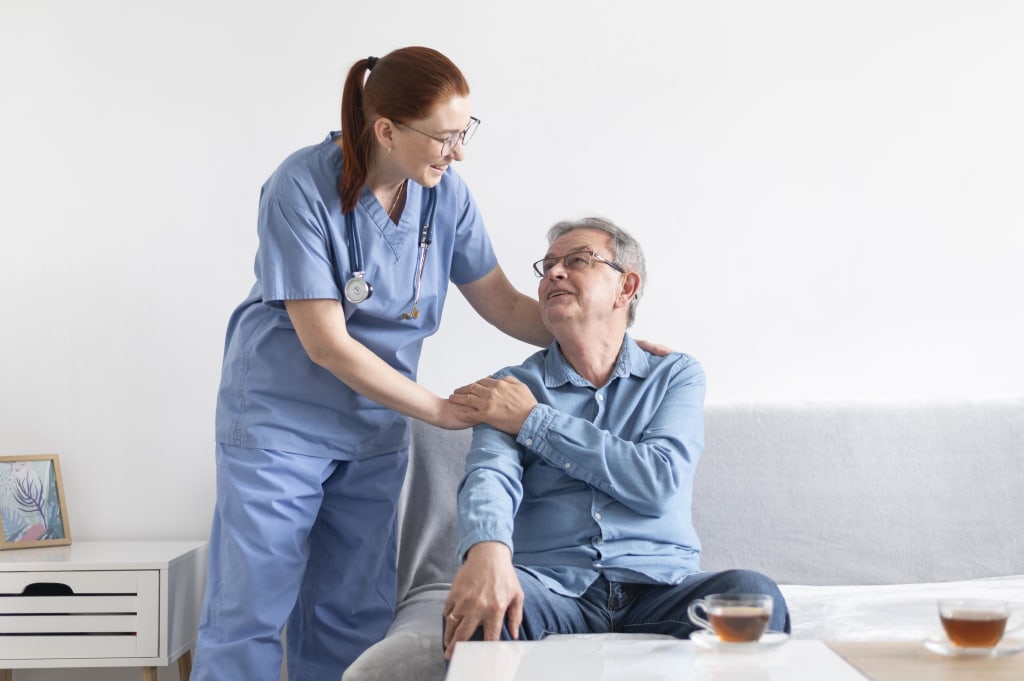
Home nursing provides professional healthcare support to people who need medical attention, recovery assistance, or ongoing care without remaining in a hospital or residential facility. Receiving care at home allows patients to stay in familiar surroundings while accessing services designed around their individual needs.
For older adults, people recovering from illness or surgery, and individuals managing long-term health conditions, home nursing can offer practical assistance while helping maintain comfort and independence. With the right care plan and qualified professionals, home-based nursing can become an important part of modern healthcare.
What Is Home Nursing?
Home nursing involves qualified nurses providing healthcare services within a patient’s home. The care may be temporary during recovery or continue for an extended period depending on medical requirements.
A home nurse may monitor a patient’s condition, provide wound care, assist with prescribed medications, support mobility, and help with certain personal care activities. The exact services depend on the patient’s health needs and instructions from their healthcare team.
Unlike informal caregiving provided by relatives, professional home nursing involves trained healthcare workers who understand appropriate clinical procedures, patient safety, and health monitoring.
Who May Need Home Nursing?
Home nursing can benefit people with a wide range of care requirements. Patients recovering after surgery may need assistance with wound management, medication routines, mobility, and daily activities during the recovery period.
Older adults who find certain activities difficult may also benefit from professional support at home. Nursing care can help them manage health routines while allowing them to remain in a familiar environment.
People living with chronic health conditions may require regular monitoring and assistance with their care plans. Home nursing can provide continuity and help families manage complex healthcare responsibilities.
Patients with temporary injuries may also require short-term nursing support until they regain sufficient strength and independence.
Common Home Nursing Services
Home nursing services vary according to individual circumstances. One common area is medication support, which can help patients follow schedules and understand instructions associated with prescribed treatments.
Wound care is another important service. Patients recovering from procedures or injuries may require regular dressing changes and observation. A trained nurse can provide care according to appropriate medical instructions and report concerning changes to the relevant healthcare professional.
Health monitoring may include checking vital signs or other measurements requested by a doctor. This can help healthcare teams understand how a patient is progressing and whether further assessment may be necessary.
Some home nurses also assist with personal care, mobility, bathing, dressing, and other daily activities when these tasks are part of the agreed care plan.
Benefits of Home-Based Nursing Care
One of the biggest advantages of home nursing is convenience. Patients can receive appropriate care without traveling frequently to a medical facility. This can be particularly useful for individuals with limited mobility or those recovering from major procedures.
The familiar home environment can also provide emotional comfort. Being surrounded by familiar belongings and family members may help patients feel more relaxed during recovery.
Home nursing can also provide personalized attention. Rather than following a routine designed for many patients at once, care can be organized around the individual’s specific needs, schedule, abilities, and medical instructions.
Family caregivers may benefit as well. Professional nursing assistance can reduce some of the responsibilities placed on relatives and give them more confidence that specialized healthcare tasks are being handled appropriately.
How to Choose a Home Nursing Provider
Choosing a suitable home nursing service requires careful research. Families should consider the qualifications and experience of nursing professionals, the types of services available, scheduling arrangements, and communication procedures.
It is important to explain the patient’s condition and care requirements clearly before services begin. Families should understand what the nurse will provide and which responsibilities remain with relatives or other caregivers.
Good communication between the nurse, patient, family, and healthcare team is essential. A well-organized care plan can help everyone understand medication schedules, appointments, daily routines, and signs that may require medical attention.
Making the Home Safer for Nursing Care
A suitable home environment can make daily care easier and safer. Frequently used items should be accessible, walkways should remain free of clutter, and rooms should have sufficient lighting.
Patients with mobility difficulties may need additional safety arrangements based on professional advice. Medication should also be stored securely and organized in a way that reduces confusion.
Keeping important healthcare information available can help nurses and family caregivers coordinate care more effectively. Clear records of medications, medical instructions, and relevant appointments can support better communication.
Conclusion
Home nursing offers a flexible approach to healthcare by bringing professional nursing support directly into a patient’s home. From recovery assistance and wound care to health monitoring and daily support, services can be adapted to individual requirements.
With qualified professionals, effective communication, and a safe home environment, home nursing can support recovery, comfort, and greater independence. For many families, it provides a practical way to combine professional healthcare with the familiarity and convenience of home.
