

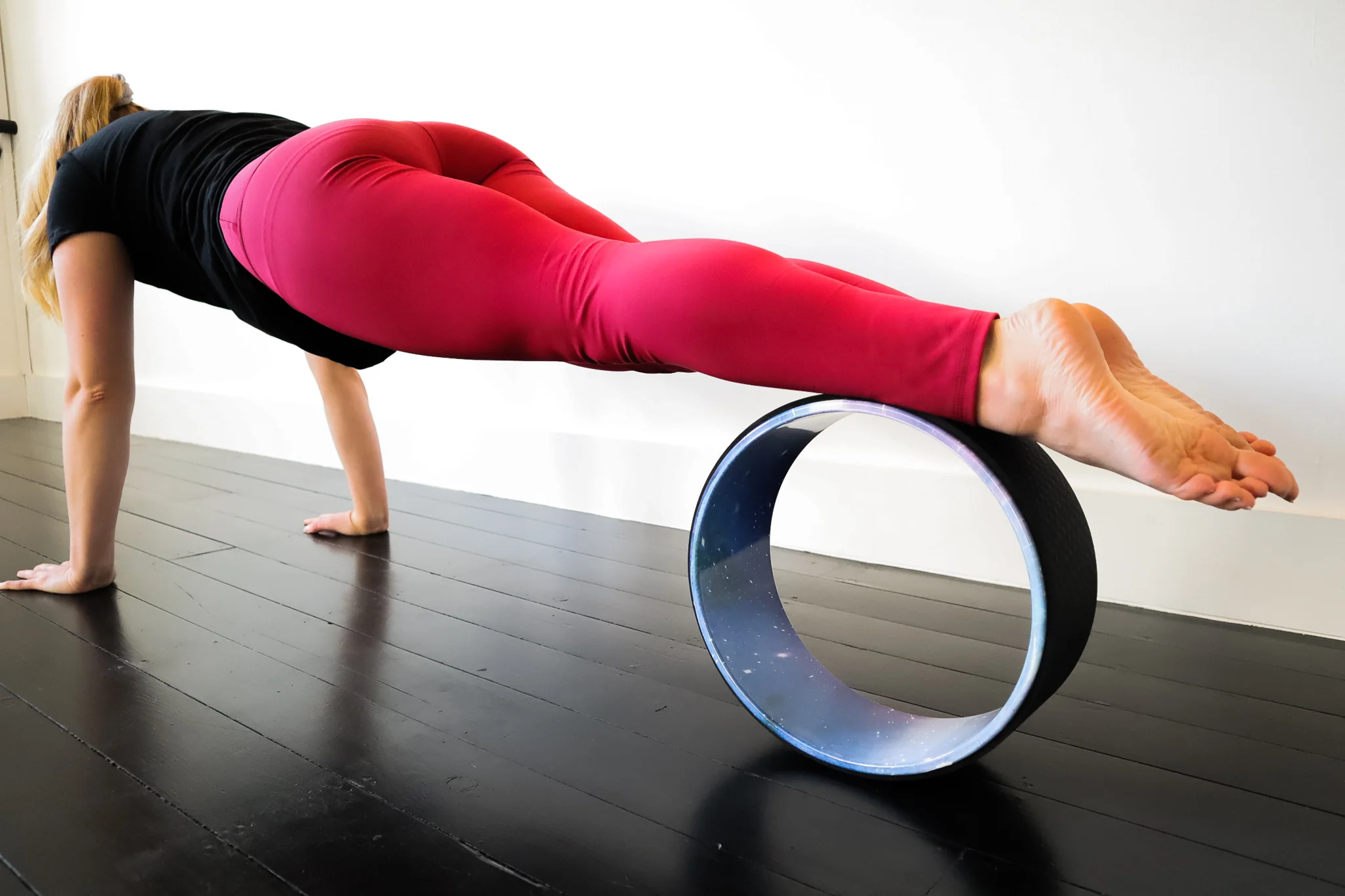
Back pain has become one of the most common health complaints among working adults in Singapore. Hours spent hunched over laptops, commuting on the MRT, and sitting through back-to-back meetings take a serious toll on the spine. Many people try stretching, foam rolling, or visiting a physiotherapist, yet the discomfort keeps returning. What if the missing piece was something as simple as a circular prop that fits neatly into your practice? The yoga wheel has quietly moved from a niche studio accessory into one of the most scientifically supported tools for spinal care available to everyday practitioners.
This article takes a deep look at what spinal decompression actually means, why it matters, and how the yoga wheel delivers measurable relief that goes far beyond a temporary stretch.
What Spinal Decompression Actually Means
Spinal decompression refers to the process of creating space between the vertebrae, relieving pressure on the intervertebral discs, nerve roots, and surrounding soft tissue. The spine is made up of 33 vertebrae stacked on top of one another, separated by discs that act as shock absorbers. When we sit, stand, or move, gravity compresses these discs. Over time, especially without adequate movement or counterbalancing stretches, that compression accumulates.
Compressed discs lose hydration and elasticity. Nerves passing through narrow foraminal spaces become irritated. Muscles surrounding the spine tighten defensively to protect the area, which only adds to the stiffness and pain. Spinal decompression works by gently reversing this process, creating traction through movement or positioning that allows the discs to rehydrate and the vertebrae to settle back into healthier alignment.
Why Passive Stretching Alone Is Not Enough
Many people rely on passive stretching, lying flat, or basic forward folds to address back tightness. These approaches do offer some relief, but they primarily target the posterior chain muscles rather than creating true intervertebral space. Passive stretching also lacks the ability to address the thoracic spine, the mid-back region between the shoulder blades that is notoriously stiff in desk workers.
The thoracic spine is designed to move in extension, meaning it is built to bend backwards. Modern life keeps it perpetually flexed forward. This chronic forward rounding, known as thoracic kyphosis, shifts the load onto the lumbar spine below and the cervical spine above, contributing to neck tension, lower back pain, and even headaches. Without directly addressing thoracic extension, most back pain relief strategies are only treating symptoms rather than causes.
How the Yoga Wheel Targets the Spine
The circular design of the yoga wheel is not arbitrary. Its diameter, typically between 30 and 33 centimetres, corresponds closely to the natural curvature of the human spine. When you place the wheel beneath your thoracic spine and lean back over it, the curve of the wheel mirrors and gently encourages the natural lordotic and kyphotic curves of your back.
This contact creates a targeted extension that passively opens the vertebral joints, stretches the anterior longitudinal ligament along the front of the spine, and releases the tight paraspinal muscles running alongside the vertebrae. The result is a form of active spinal traction that you can self-administer and control entirely based on your comfort level.
Supported Backbend Mechanics
When you sit in front of the yoga wheel, place it at your mid-back, and allow your spine to drape over it, several things happen simultaneously. The thoracic vertebrae separate slightly at the front of the joint, creating space in the anterior disc. The erector spinae muscles, which are almost constantly engaged during upright sitting, are allowed to fully release and lengthen. The ribcage lifts and expands, improving breathing capacity. The shoulders naturally fall back and down, counteracting the forward rounding that accumulates throughout the day.
Unlike aggressive chiropractic manipulation, this process is gradual and entirely controlled by the practitioner. You can pause at any point of resistance, breathe into the area, and allow the tissue to release at its own pace. This makes it accessible even for people with moderate back discomfort who cannot tolerate more forceful interventions.
Rolling the Spine: A Segmental Approach
One of the most distinctive features of yoga wheel practice is the ability to roll the wheel up and down the spine, addressing each segment individually. Starting at the lower thoracic spine and gradually rolling upward toward the upper thoracic and cervical junction allows you to identify areas of restriction and spend more time on segments that need attention.
This segmental approach is something very few other tools or practices can offer. It turns a generalised back stretch into a precise, targeted intervention that can be tailored to your specific areas of tightness.
The Role of Disc Hydration in Pain Relief
Intervertebral discs do not have a direct blood supply. They rely on movement and pressure changes to absorb nutrients and expel waste products through a process called imbibition. When a disc is under constant compression with no relief, this fluid exchange slows down significantly. The disc becomes less resilient, more prone to bulging, and more sensitive to further load.
Yoga wheel backbends create a rhythmic compression and decompression cycle. As you ease onto the wheel and then lift yourself off, the disc undergoes alternating loading and unloading, which drives fluid movement within the disc. Over time, regular practice can help maintain disc hydration and slow the degenerative changes that contribute to chronic back pain.
Muscular Benefits That Support Spinal Health
Spinal health is never just about the bones and discs. The muscles surrounding the spine play an equally critical role in maintaining alignment and absorbing load. The yoga wheel contributes to spinal health through several muscular pathways.
- Erector spinae lengthening: These long muscles running parallel to the spine are chronically shortened in people who sit for extended periods. Draping over the wheel provides a sustained, passive stretch that is difficult to replicate through active movement alone.
- Hip flexor release: Tight hip flexors pull the pelvis into anterior tilt, increasing lumbar lordosis and placing excessive stress on the lower back. The yoga wheel supports deep hip flexor stretches in low lunge variations that directly reduce this anterior pelvic tilt.
- Core activation: Many yoga wheel poses require you to stabilise against the wheel’s curved surface, activating the deep stabilising muscles of the core including the transverse abdominis and multifidus. These are the same muscles targeted in physiotherapy-based back rehabilitation programmes.
- Chest and shoulder opening: Tight pectorals and anterior deltoids pull the shoulders forward, contributing to thoracic rounding. Supported chest openers over the wheel release this anterior tension and help restore more neutral thoracic positioning.
Practical Integration for Office Workers in Singapore
If you work a typical nine-to-six office job in Singapore, your spine is likely under compression for the majority of your waking hours. Integrating yoga wheel practice into your routine does not require a large time commitment to deliver results.
Even ten to fifteen minutes of targeted wheel work at the end of a workday can meaningfully offset the compression accumulated during hours of sitting. A simple sequence might include rolling the thoracic spine over the wheel for two minutes, holding a supported fish pose for three minutes, performing a hip flexor stretch on each side for two minutes each, and finishing with a supported chest opener for two minutes.
Over several weeks, practitioners typically report reduced morning stiffness, less mid-day back fatigue, improved posture awareness, and greater ease in movements that previously caused discomfort. These are not just subjective impressions. Improved thoracic mobility has been shown in research to reduce compensatory stress on the lumbar spine, which is directly linked to lower rates of lower back pain recurrence.
When to Be Cautious
The yoga wheel is a highly accessible tool, but it is not without contraindications. People with acute disc herniation, spinal fractures, osteoporosis, or recent spinal surgery should consult a medical professional before using it. The wheel should never be placed directly beneath the lumbar spine in a passive backbend, as this can hyperextend the lumbar joints and increase pain rather than relieve it. Always begin with the wheel at the mid to upper back and only gradually explore lower positions as your body adapts.
Pregnant practitioners should avoid deep backbends over the wheel, particularly in the second and third trimesters, and should seek guidance from an instructor experienced in prenatal yoga.
Building a Long-Term Practice
The most significant benefits of yoga wheel practice for spinal health come from consistency rather than intensity. A single session will provide temporary relief, but a regular practice builds cumulative improvements in mobility, disc hydration, muscular balance, and postural awareness. The goal is not to achieve dramatic backbends but to restore the natural, healthy movement capacity of a spine that modern life has gradually restricted.
Starting in a class environment provides the advantage of real-time guidance from an experienced instructor who can ensure correct wheel placement, appropriate sequencing, and safe progression. As your confidence and body awareness grow, you can supplement class attendance with shorter home practice sessions.
Yoga Edition offers yoga wheel classes suitable for all levels, with instructors who understand the specific postural challenges faced by people living and working in Singapore. Whether you are completely new to prop-based practice or looking to deepen an existing routine, structured guidance makes a meaningful difference to both safety and results.
Frequently Asked Questions
Q: Can a yoga wheel actually replace physiotherapy for back pain? A: The yoga wheel is a complementary tool rather than a replacement for professional physiotherapy. It works very well alongside physiotherapy by maintaining the gains achieved in sessions and building long-term mobility habits. If you have a diagnosed spinal condition, always consult your physiotherapist before starting wheel practice.
Q: How often should I use a yoga wheel to see results for back pain? A: Most practitioners begin noticing meaningful improvements in stiffness and discomfort within two to four weeks of practising three to four times per week. Consistency matters more than session length. Even short daily sessions of ten to fifteen minutes produce better results than one long weekly session.
Q: Is it safe to use the yoga wheel on the lower back? A: Direct passive extension over the lower back using the wheel is generally not recommended, especially for beginners or people with existing lumbar issues. The wheel is most effective and safest when placed at the thoracic spine, which is the mid-back between the shoulder blades. Lower back work with the wheel should only be explored under instructor guidance.
Q: What size yoga wheel is best for spinal work? A: A standard yoga wheel with a diameter of around 30 to 33 centimetres suits most adults for spinal decompression work. Smaller wheels create a more intense, localised extension and are better suited to experienced practitioners. Wider wheels provide more surface contact and are generally more comfortable for beginners.
Q: Can I use the yoga wheel if I have a herniated disc? A: This depends entirely on the location, severity, and current stage of the herniation. Some individuals with mild, non-acute herniations find yoga wheel backbends helpful for relieving nerve pressure, while others may find certain movements aggravating. Always get clearance from your doctor or physiotherapist before using the wheel with a known herniation.

Comments are closed.